
Signs You Need Basement Waterproofing Solutions in Erie, PA: How to Identify and Act on Basement Water Problems
Basement water problems are any form of unwanted moisture, seepage, or flooding in a home’s below-grade spaces that threaten finishes, air quality, and structural components. These problems arise when water moves through soil, foundation materials, or openings in the building envelope and accumulates inside the basement, and recognizing them early preserves property value and prevents health risks. This guide explains how to identify the most common signs—visible seepage, efflorescence, mold and musty odors, cracks, flooding indicators, high humidity, warped doors, damp walls, and insect activity—and shows practical homeowner checks and immediate mitigation steps. You will learn simple diagnostic tests, Erie-specific causes (such as freeze-thaw cycles, snowmelt, and local soil saturation), the exact repair or waterproofing approaches that map to each sign, and when to call a professional. Each H2 section includes clear actions and brief mapping to professional services so you can act decisively and avoid escalation. Read on to diagnose common basement moisture symptoms, understand underlying mechanisms, and take the right next steps to protect your home.
What Are the Most Common Basement Water Signs in Erie, PA?
Visible basement water signs are the outward symptoms of moisture intrusion: they show where water has crossed the building boundary and entered living space, and they directly predict risks to finishes and indoor air. In Erie, seasonal snowmelt, heavy rains, and clay or silty soils raise hydrostatic pressure against foundations, increasing the chance that seepage appears at floor-wall seams, window wells, or along foundation cracks. Identifying these signs early makes targeted waterproofing solutions more effective and less costly than repairing long-term damage, so homeowners should learn where to look and what quick tests to run. The next subsections show how to spot seepage and how to interpret efflorescence to decide if moisture is active or historical.
How to Recognize Visible Water Seepage and Wet Basement Indicators
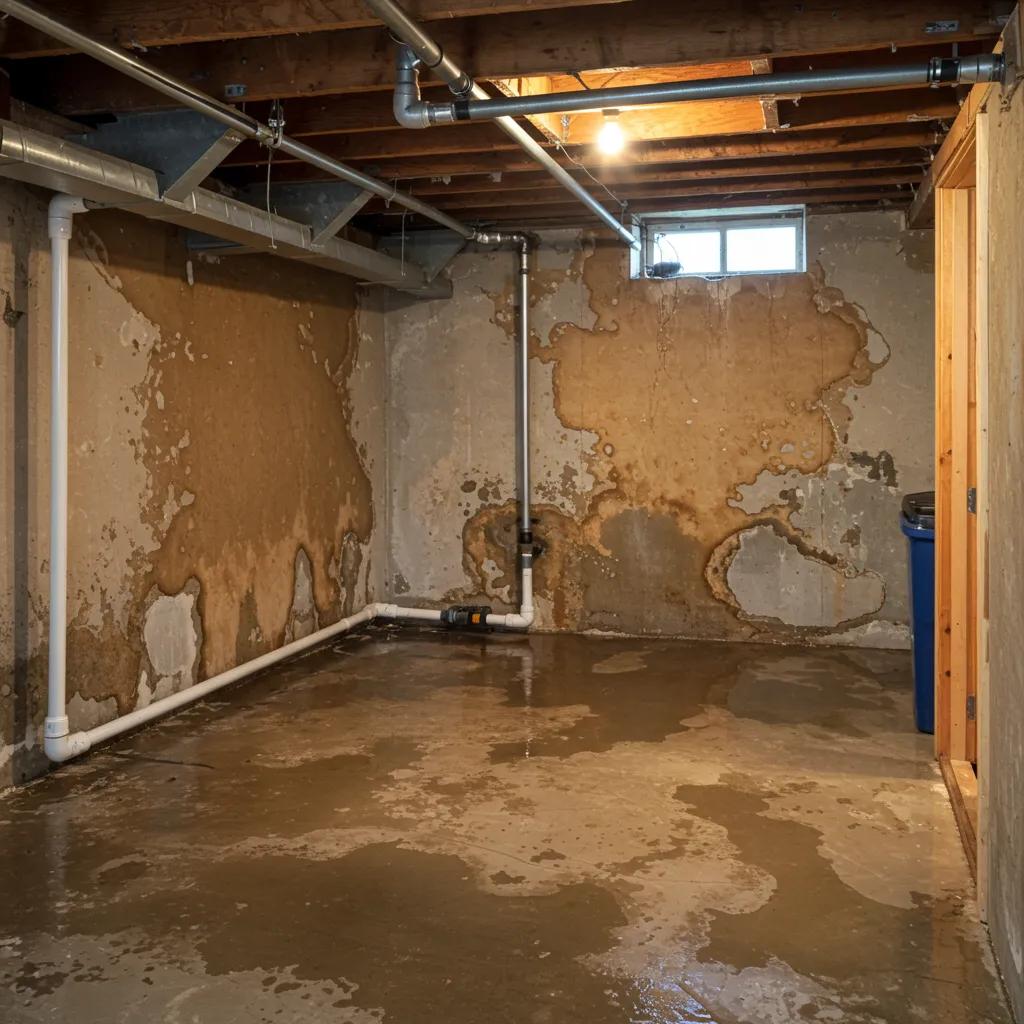
Visible seepage appears as staining, wet patches, or small pools at predictable locations where water follows the path of least resistance, such as the floor-to-wall seam, window wells, or low spots near interior stairways. Check baseboards, bottom of drywall, and the junction between concrete slab and foundation wall for discoloration or salt lines; run a paper towel or tissue along suspicious areas after a dry spell to detect residual dampness. Seasonal patterns also help: if stains reappear after heavy spring snowmelt or extended rainfall, that indicates active penetration rather than past events, and documenting timing with photos and dates helps professionals diagnose cause. Regular inspection after storms helps catch intermittent seepage early and leads into evaluating salt deposits like efflorescence for further clues.
What Does Efflorescence on Basement Walls Indicate?
Efflorescence is the white, powdery salt residue left on masonry when water evaporates and deposits dissolved minerals, and it indicates that moisture traveled through the wall system carrying soluble salts to the surface. While efflorescence alone can represent historic moisture migration, repeated or fresh salt deposits—especially near the floor or in streaks—signal ongoing water movement that likely requires waterproofing or improved drainage to stop. A simple test is to wipe the deposit: if it smears and reappears, moisture transport is ongoing; if it crumbles and does not re-form, it may reflect older, resolved events. Understanding efflorescence leads naturally into assessing biological signs like mold and odors that often accompany active moisture.
Before the table below, note that the following quick-reference maps common signs to likely causes and the specific waterproofing approaches that typically address them. The table helps homeowners translate what they see into actionable next steps and service types.
How Can Mold and Musty Odors Signal Basement Waterproofing Needs?
Mold and musty odors form when persistent moisture enables microbial growth, and their presence indicates either ongoing water intrusion or chronic high humidity that supports colonization and spore release—both of which a waterproofing strategy must address. Mold growth results from the moisture mechanism feeding biological activity on organic materials, creating volatile organic compounds that produce the characteristic musty smell; addressing only the symptom (cleaning mold) without correcting moisture often leads to recurrence. Homeowners should measure relative humidity, inspect likely mold habitats, and combine containment, cleaning, and moisture-control interventions when mold is present. The subsections below list visible mold indicators and explain simple homeowner tests to determine whether musty odors reflect active moisture problems that require waterproofing.
What Are the Signs of Mold Growth in Basements?
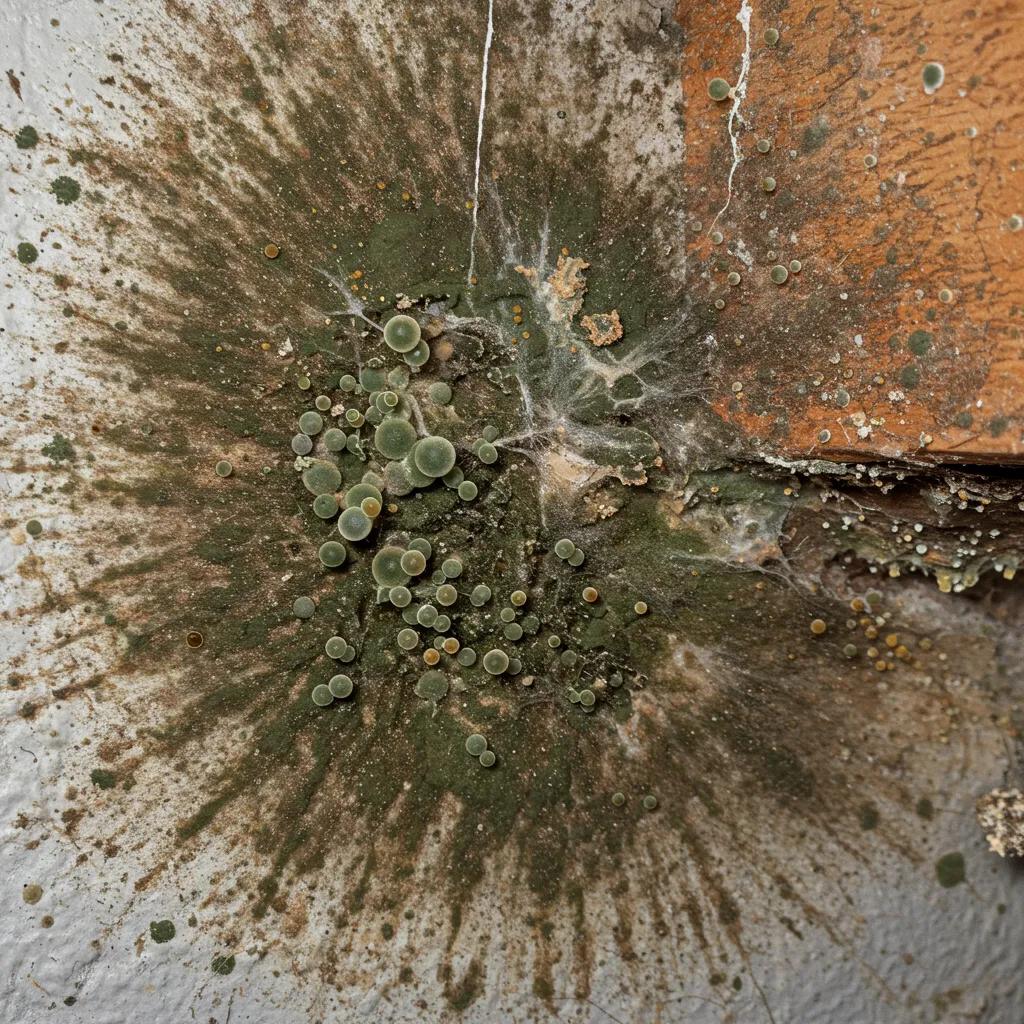
Mold appears in varied colors—black, green, gray, or white—and textures ranging from fuzzy colonies to flat stains, often on drywall, wood, carpet backing, or behind paneling; visible growth may also show as discoloration near piping, behind shelving, or under area rugs. Look for irregular patches that spread over days to weeks, staining that returns after cleaning, or allergic reactions among occupants timed to basement use; these observations point to active colonization. If you suspect hidden mold, check HVAC filters, behind baseboards, and under vinyl flooring where moisture can hide; a humidity meter reading consistently above 60% supports the theory of conducive conditions for mold. Visible mold prompts combined remediation: isolate, clean or remove contaminated materials, and address the moisture source through drainage, encapsulation, or interior waterproofing.
What Causes a Musty Basement Smell and Why Is It a Warning Sign?
Musty odors are produced by microbial volatile organic compounds released by mold and bacteria when they metabolize moisture-laden organic materials, and the smell often precedes visible growth because microbes multiply faster than they visibly colonize surfaces. Common causes include trapped humidity from poor ventilation, intermittent leaks that remain unnoticed, and groundwater vapor migrating through porous concrete; each source implies a different corrective strategy. Homeowners can run two quick checks: use a hygrometer to measure relative humidity over several days and tape a sheet of plastic to a suspicious wall for 24–48 hours to see if moisture forms beneath it, indicating active penetration. Detecting musty odors should push the homeowner from observation to mitigation—ventilation and dehumidification are immediate steps, while long-term solutions focus on sealing and drainage to stop moisture entry.
- Common first-response actions for musty odors include:
- Measure humidity: Use a hygrometer to log relative humidity over 48–72 hours and identify chronic elevation.
- Isolate the source: Move stored items off concrete, inspect behind finishes, and check plumbing for leaks near odor origins.
- Immediate remediation: Run a dehumidifier, increase ventilation, and launder or discard porous items that retain moisture.
How Do Basement Cracks and Leaks Indicate Structural and Moisture Problems?
Basement and foundation cracks are entry points and symptoms of underlying mechanical forces: some cracks merely reflect shrinkage, while others indicate structural movement that both alters load paths and creates channels for water migration. Classifying cracks—hairline, vertical, horizontal, or stair-step—helps assess urgency because vertical hairline cracks often permit slow seepage and are typically repairable with sealants, whereas horizontal or stepped cracks can signal lateral soil pressure or settlement requiring structural repair. Understanding the mechanism—soil saturation raises hydrostatic pressure and enlarges existing openings—guides whether a homeowner needs waterproofing only or combined foundation stabilization. The subsections below outline which crack types demand immediate professional attention and how foundation breaches become pathways for water that damage finishes and structural components.
What Types of Basement Cracks Require Waterproofing Solutions?
Not all cracks need the same response: hairline vertical cracks often allow small amounts of water and may be mitigated with interior sealants or epoxy injections, while horizontal cracks or wide stair-step fractures usually indicate soil pressure or settlement and require structural evaluation and more robust repairs. Homeowners should document crack width, direction, and change over time—using a photographed measuring card or reference—because a growing or widening horizontal crack increases urgency. Short-term steps include temporary sealing and redirecting surface water away from the foundation to slow progression, but persistent or structural cracks generally necessitate professional assessment to determine whether interior drainage, epoxy/polyurethane injections, or foundation underpinning will best resolve both moisture and movement. Classifying the crack narrows the set of effective repair methods and prevents wasted effort on cosmetic fixes.
How Do Foundation Cracks Lead to Water Intrusion and Damage?
When soil adjacent to a foundation becomes saturated, hydrostatic pressure pushes water through pores and cracks, forcing moisture along seams and into interior finishes where it damages drywall, flooring, and stored items and promotes mold growth. The mechanism involves both capillary action through masonry and pressure-driven flow through larger openings, so stopping water at the exterior or installing effective interior drainage is central to prevention. Left unchecked, repeated wetting cycles degrade wood framing, cause floor coverings to delaminate, and can corrode embedded metal fasteners, turning a simple leak into structural and indoor-air-quality problems. Understanding these pathways guides a layered defense: redirect surface runoff, relieve subsurface pressure with drainage, and seal or structurally repair the foundation to protect interior spaces.
What Are the Warning Signs of Basement Flooding and High Humidity Issues?
Flooding and chronic high humidity are distinct but related risks: flooding is episodic pooling or rapid water entry that can destroy finishes and possessions, while high humidity is persistent moisture that degrades materials and promotes mold. Early warning signs include pooling after storms, water backing up in floor drains, rapid changes in humidity after rain, and sump pits that frequently run—each sign reveals a failure in surface or subsurface management of water. In Erie, seasonal snowpack melt and heavy rain events can overwhelm poorly graded yards and clogged exterior drains, so homeowners should inspect perimeter grading, downspouts, and sump systems before wet seasons begin. The subsections below offer practical early-detection steps and explain why Erie’s climate raises long-term humidity risks that call for durable solutions.
How to Detect Early Flooding Indicators in Your Basement
To detect flooding risk early, inspect commonly overlooked areas weekly during wet seasons: window wells, the exterior grade slope, sump pit water level, and floor drains for slow discharge after storms, because these locations reveal how quickly water reaches below-grade levels. Create a simple homeowner checklist—photograph baseline dry conditions, note any changes after rain, and move valuables to higher storage if pooling recurs—so you can act quickly when thresholds are crossed. Short-term protective actions include elevating stored items, installing water alarms at low points, and shoring up temporary barriers around window wells. Monitoring and early response minimize loss and provide clear data to contractors who will recommend permanent measures like sump pumps or exterior grading.
- Flooding prevention checklist:
- Inspect grading: Ensure exterior soil slopes away from foundation to direct runoff.
- Maintain drains: Clear gutters, downspouts, and window wells before heavy rains.
- Use alarms and elevation: Install water alarms and elevate stored items from the floor.
Why Is High Basement Humidity a Risk for Erie Homes?
High basement humidity fosters mold, corrosion, and material deterioration and often stems from regional factors such as lake-effect precipitation, prolonged damp intervals, and soils that retain moisture—conditions common to Erie’s climate. Humidity above 60% consistently accelerates microbial growth on cellulose materials and promotes metal corrosion, while elevated vapor pressure increases the rate at which moisture migrates into conditioned spaces. Durable solutions include a combination of proper exterior drainage, interior dehumidification sized to basement volume, vapor barriers on crawl spaces or slab surfaces, and targeted waterproofing to eliminate continued intrusion. Recognizing the local climate’s role in humidity helps homeowners prioritize solutions that reduce both immediate symptoms and long-term degradation.
How Do Warped Doors, Damp Walls, and Insect Infestations Reveal Basement Moisture Problems?
Secondary signs such as warped doors, peeling paint, and insect infestations often reveal chronic moisture that has already affected materials and indoor comfort, and they serve as red flags for underlying waterproofing failures. Wood swelling and door sticking occur when relative humidity remains elevated or when localized wetting occurs near door frames and casings, indicating moisture exchange between exterior soil and interior framing. Insects like silverfish, cockroaches, and carpenter ants are attracted to damp environments and can indicate hidden leaks, poor ventilation, or persistent humidity; identifying these pests helps prioritize moisture control before full-scale pest remediation. The subsections below explain the mechanics behind warped doors and how moisture invites pests, and they offer inspection and remediation steps tied to waterproofing actions.
What Causes Warped Basement Doors and Windows?
Warping of wood doors and window frames results from cyclical moisture uptake that causes wood fibers to expand unevenly, and repeated wet-dry cycles—common in basements without stable humidity control—create permanent distortion that affects operation. In many cases, the cause is localized moisture at the framing interface due to leaks, capillary rise, or condensation on cold surfaces rather than generalized humidity alone; diagnosing requires inspecting the casing, sill, and surrounding wall for stains or soft spots. Temporary homeowner fixes include sanding or planing the affected edge and improving ventilation, but persistent warping signals the need to resolve the moisture source through sealing, drainage, or encapsulation to prevent recurrent damage. Addressing warping promptly protects finish materials and avoids more costly replacement.
How Does Moisture Lead to Insect Issues in Basements?
Moisture creates favorable microhabitats for pests by softening timber, increasing fungal food sources, and providing the humidity many insects need to thrive, so damp basements commonly show signs of silverfish, cockroaches, and moisture-loving ants. These pests often congregate near persistent damp spots, behind stored boxes, and around plumbing penetrations where tiny leaks go unnoticed, and their presence usually correlates with other moisture indicators such as staining or musty odors. Preventative measures include eliminating moisture sources, sealing entry points, and removing clutter that provides shelter; when infestations are present, coordinating pest control with waterproofing delivers better long-term results than addressing pests alone. Recognizing pest activity as a moisture indicator channels action toward both pest management and moisture remediation.
When Should You Contact EP Basement Waterproofing for Professional Solutions in Erie, PA?
You should contact a professional when observable thresholds are met—visible pooling inside the basement, recurrent efflorescence, persistent high humidity above 60%, visible structural movement such as widening horizontal cracks, or recurring mold despite cleaning—because these thresholds indicate active moisture drivers that homeowner fixes cannot reliably resolve. EP Basement Waterproofing offers targeted services that map directly to each sign: interior and exterior waterproofing systems for seepage, French drain installation for perimeter seepage, sump pump installation for standing water, basement crack repair and epoxy or polyurethane injections for leaking cracks, and crawl space encapsulation to control humidity and mold. Engaging a licensed and insured local specialist provides diagnostic testing, tailored solutions, and the advantage of local experience with Erie’s soil and weather patterns, along with free estimates and flexible payment plans to support timely intervention. The subsections below break down service mappings and explain how early action saves money and protects health and property.
What Basement Waterproofing Services Address Each Sign?
Below is a conversion-focused mapping that pairs a common sign with the EP Basement Waterproofing service typically used to resolve it and the expected outcome, so homeowners can see which intervention aligns with their observation. Interior waterproofing systems and French drains control subsurface inflow at floor-wall seams, sump pumps remove accumulated water and prevent future pooling, and epoxy or polyurethane injection seals active leaks through cracks. Crawl space encapsulation reduces humidity and vapor transmission to eliminate mold drivers and pest habitats, while exterior excavation and wall sealing address persistent wall penetration by stopping water before it reaches the membrane. EP Basement Waterproofing’s local expertise helps choose the least invasive solution that reliably resolves the underlying moisture mechanism rather than merely treating symptoms.
How Can Early Intervention Save Costs and Protect Your Home?
Early intervention prevents the cascade of damage that raises repair costs: stopping seepage early avoids drywall replacement, mold remediation, and floor replacement; sealing cracks early can prevent structural compromise that requires underpinning or major foundation repair. A short comparison highlights the difference between ignoring a small leak and addressing it promptly: ignoring often leads to mold remediation, insulation replacement, and potential structural repair—costs that can be several times higher than targeted waterproofing. Beyond direct cost savings, early action preserves indoor air quality, maintains resale value, and reduces the likelihood of pest infestations tied to moisture. EP Basement Waterproofing’s free estimate offering and locally informed recommendations make it practical for homeowners to assess options and invest in the most cost-effective solution before minor signs escalate into major repairs.
- Benefits of early professional intervention include:
- Lower total repair cost: Targeted waterproofing avoids larger finish and structural repairs.
- Health protection: Controlling moisture reduces mold growth and improves indoor air quality.
- Property preservation: Preventing recurrent damage maintains home value and usability.
Frequently Asked Questions
Conclusion
Identifying and addressing basement water problems early is crucial for maintaining your home’s integrity and value. By recognizing signs such as visible seepage, mold, and high humidity, homeowners can implement effective waterproofing solutions that protect against costly damage. Don’t wait for minor issues to escalate; take proactive steps to safeguard your basement today. Explore our professional waterproofing services to ensure a dry and healthy living space for years to come.